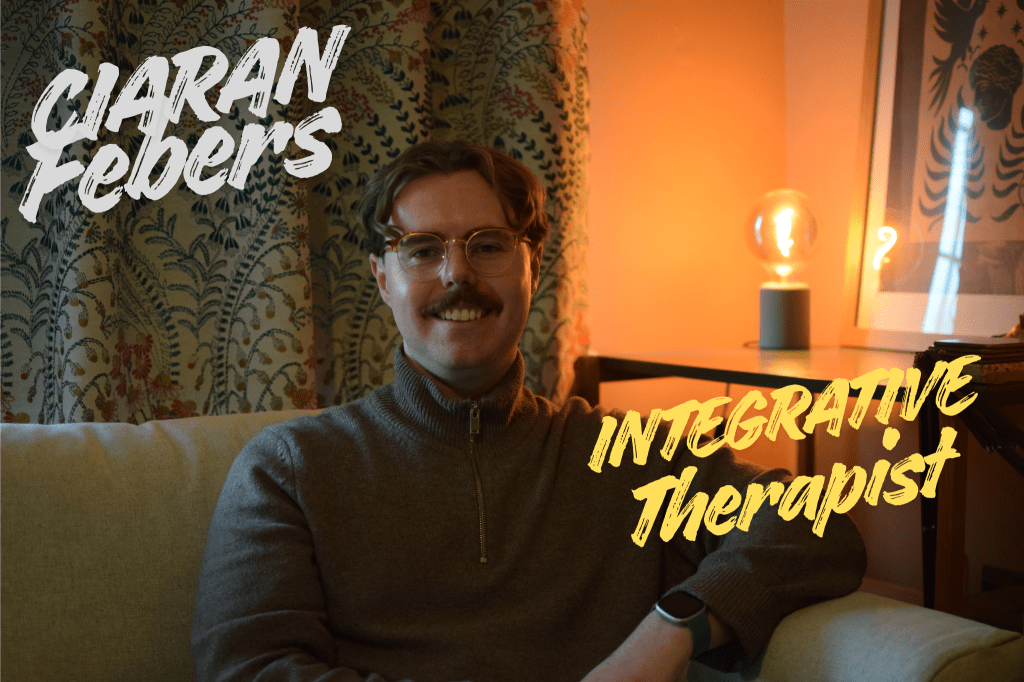
I am an Integrative Counsellor and a registered member of the British Association for Counselling and Psychotherapy (BACP). Which means I work within an ethical framework that ensures I working effectively and safely within my remits as a mental health practitioner.
As an integrative practitioner I take from a range of different approaches and tailor the therapeutic work to your needs as a client. Below you can see particular ways of working that I incorporate:
Person Centred
Putting your needs as a client at the forefront of the therapeutic process. Allowing space and room for you to tell your story. Offering reflections and acknowledgement of your story and allowing you the opportunity to hear back what you have said. Encouraging emotional exploration and understanding what is going on behind the content. Focussing on creating a non-judgemental and compassionate space to allow you to explore freely.
Transactional Analysis
Developing a deeper understanding of your relationship to yourself and others through analysing transactions. Exploring areas of rigid thinking that may be reinforcing a “life script” that you may be unconsciously playing out. Understanding how your past experiences can influence how you relate to others and taking time to explore the types of relational “games” that are playing out in your relationships. Developing a stronger more authentic version of yourself that is able to interact with others from a place of comfortability and security.
Psychodynamic
Exploring the unconscious patterns and drives that may go unnoticed. Offering interpretations to some of your narrative and offering up some of my own understanding of the emotional process. Exploring previous relationships and understanding how they are influencing your life in the here and now. Exploring our own relationship and considering how familiar patterns may be re-enacting in our own therapeutic relationship.
Internal Family Systems
Understanding your internal world and how the various parts of you engage and interact with others. Gaining an understanding of some of your strengths through your stronger more developed parts of yourself and develop a relationship with parts that are often discarded or considered unacceptable. This can involve visualisation and creative processes to get an understanding of all the parts that make up who you are. This can include exploring protector, manager and firefighters, as well as the exiled parts that often live in the shadows.
Cognitive Behaviour Therapy
Exploring thoughts, feeling and behaviours and how they impact your day to day life. Encouraging you to consider how your thought process influences how you feel and behave and learning to develop new ways of thinking. Considering what your core beliefs are and tackling any that are considered maladaptive or not useful. Developing coping strategies to tackle maladaptive patterns.
Attachment Theory
Attachment theory helps you understand how your past relationships influence how you engage with others in the here and now. Exploring how your “psychological immune system” has developed to keep you safe and exploring the functionality behind behaviours that may no longer serve you. This includes exploring some anxious and avoidant defence mechanisms as well as exploring what security means for you and where you find safety. This often includes exploring childhood experiences and how your relationships may have shaped your way of relating to yourself and others.
How I’ve Helped Clients
- Develop better relationships with loved ones
- Become more secure in themselves and understand their values.
- Manage anxiety and make changes towards living a more happy and fulfilling life.
- Exploring the roots of depression, offering a safe space to understand emotions and make meaningful changes in life.
- Develop a better relationship with the self through self compassion and self acceptance.
- Process traumatic experiences and develop a deeper understanding of the past and it’s influence in the here and now.
- Manage behavioural and substance addiction
- Creating recovery plans to manage triggers and emotionally challenging situations.
My Experience
2026 Therapy Assessor, Share Psychotherapy
2024 Volunteer Counsellor, HMP Leeds
2024 Volunteer Counsellor, Headstrong Counselling
Qualifications and Training
Master of Arts, Integrative Counselling, Leeds Beckett University
COSCA Counselling Certificate, University of the West of Scotland
Introduction to Counselling Skills, Glasgow University
Psychology of Trauma and Emotions, Seed Talks
Understanding and Supporting Autistic Wellbeing, SWAN Scotland
Neurodiversity Training, Neuk Collective
Introduction to Trans Identities, LGBT Foundation
Professional Registration
 CIARAN Febers