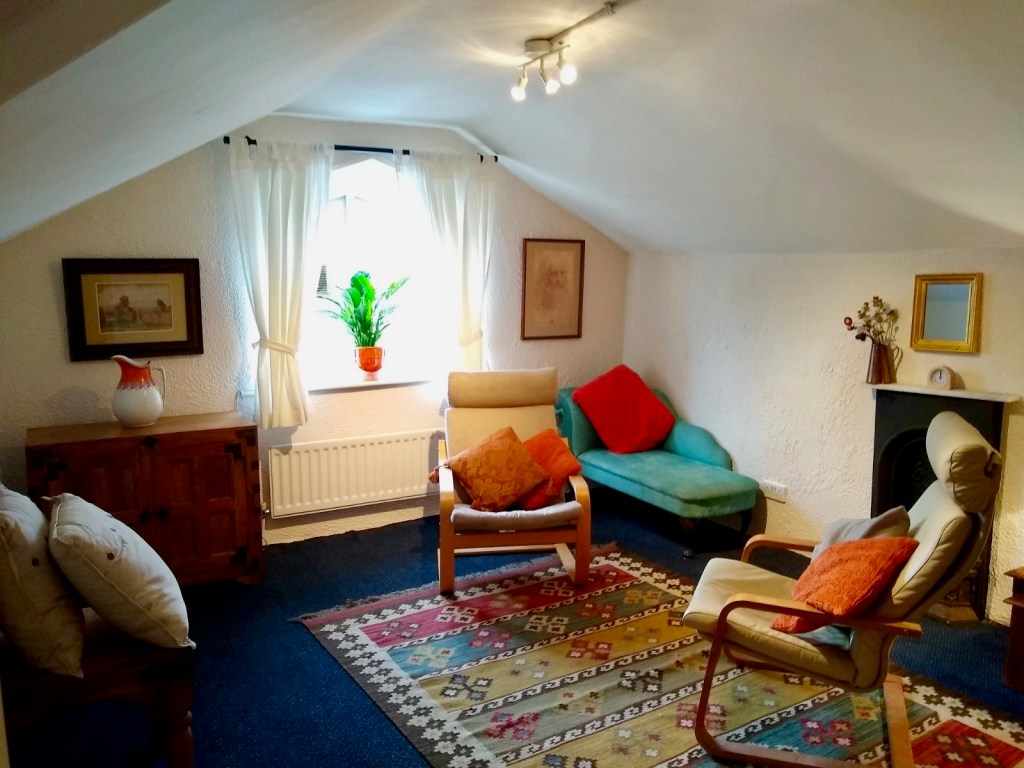
What a Typical Session Looks Like
Each therapy session lasts 50 minutes and is tailored to your needs on the day. A session may involve:
- Discussing recent experiences, challenges, or emotional triggers
- Exploring how thoughts, feelings, and behaviours connect
- Working with grounding techniques and mindfulness
- Tools for stress reduction and emotional regulation
- Clarifying personal values and life direction
- Reviewing strategies you’ve tried between sessions
- Creating a plan or focus for the week ahead
There is no expectation to come prepared or “perform” — sessions unfold naturally based on what feels important to you.
Your Autonomy Is Central
You remain in control throughout the entire therapeutic process. This includes:
- Choosing what to talk about
- Setting your own pace based on comfort and readiness
- Deciding how long you want to continue therapy
- Collaborating on goals, rather than being given a rigid programme
- Having the freedom to pause, return, or adjust direction anytime
Integrative therapy is a partnership. My role is to guide, support, and offer tools—never to dictate what you “should” do. You decide what matters, what feels right, and what you want from your journey.
How Many Sessions You May Need
The number of therapy sessions varies from person to person. Some people benefit from short-term support (6–12 sessions) focused on a specific concern, while others choose longer-term psychotherapy to explore deeper patterns.
There is no fixed timeline—your goals, pace, and preferences shape the process. We review progress regularly so you can decide what feels right for you.
This flexible approach supports both individuals seeking focused results and those wanting ongoing personal development.
What to Expect in Integrative Therapy
Integrative therapy is an evidence-based psychotherapy used to support your mental health and emotional wellbeing. I often describe therapy like personal training for your inner world—helping you build resilience, self-awareness, and coping skills. Each session offers insight and reflection, but real progress often happens between sessions as you integrate what you’ve learned. Therapy is a practice, and just like strengthening a muscle or learning a new language, it develops over time.
Understanding Internal Conflicts and Emotional Patterns
Many people seek therapy because they feel pulled in conflicting directions.
You might want to be more confident and assertive while another part of you feels anxious or avoids difficult situations. Or you may feel torn between pursuing freedom and adventure—like quitting your job and escaping to Ibiza—and choosing stability, family, or routine.
These internal conflicts are a natural part of being human. Integrative therapy helps you understand these parts of yourself, reducing emotional overwhelm and increasing clarity around your choices.
Exploring Your Story, Beliefs, and Core Identity
A key part of psychotherapy involves understanding who you are today and how you became this version of yourself. We explore your life experiences, relationships, and formative moments, as well as the core beliefs you’ve picked up along the way. Many of these beliefs shape how you think, behave, and relate to others—without you even realising it.
Therapy helps you examine which beliefs genuinely reflect your values and which ones may be outdated, limiting, or borrowed from others.
 CIARAN Febers